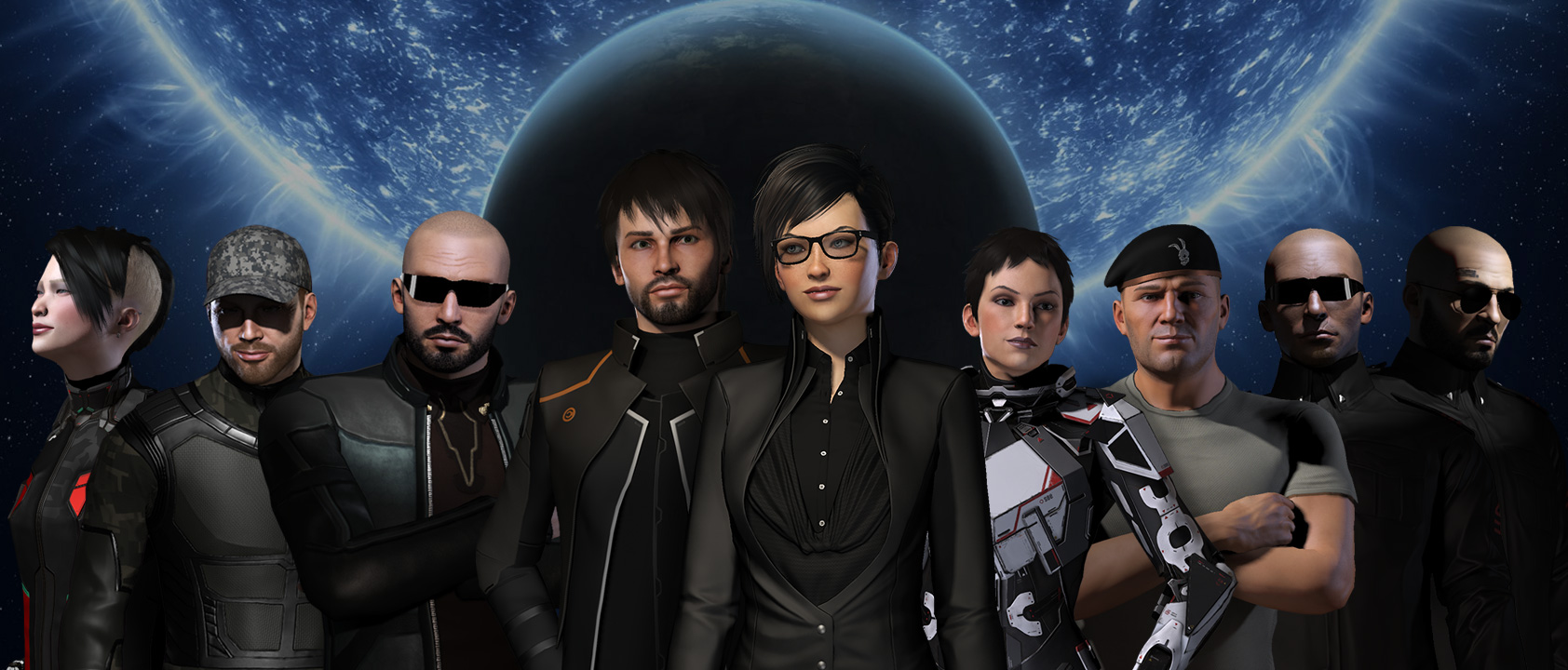
Welcome to the community
Explorers' Sanctum started as a small hi-sec corporation. Over time it became something wider - a community of players with different playstyles, different schedules, and different reasons for logging in. Some members live in hi-sec. Some have moved to nullsec. Some only join public fleets occasionally. Some have been around for years without ever changing corporations. You don't need to play EVE one specific way to be part of this.
What connects everyone is a shared attitude: no drama, no micromanagement, no pressure. Just people who enjoy EVE and enjoy flying with others.
How everything fits together
The community has a few distinct layers. Understanding how they relate makes everything else easier to navigate.
Explorers' Sanctum
The community foundation. EX-SA is a hi-sec corporation operating in EU timezone, but the community it represents is bigger than any single corporation. It includes friends, former members, NPSI fleet regulars, and anyone who identifies with the culture. If you're unsure where you fit, you belong here.
Silent Vale
Silent Vale [.SLV.] started as a lowsec wing of EX-SA - a place for pilots who wanted more danger and more content without committing to full sovereignty warfare. That lowsec culture never really went away. Today SLV is a corporation inside the LinkNet alliance, and its members are spread across both lowsec and nullsec space depending on what they're chasing.
Some pilots live in LinkNet sov space, running anomalies and joining coalition fleets. Others spend most of their time in lowsec, doing small gang PvP, faction warfare adjacent content, or just roaming for the fun of it. The corporation accommodates both without demanding you pick a lane.
Moving to Silent Vale doesn't mean leaving the EX-SA community behind. Most SLV pilots are still in the same Discord, still fly together, and still consider themselves part of the same group.
LinkNet and The Red Menace Coalition
Our wider group of nullsec friends. LinkNet is the alliance Silent Vale belongs to, and The Red Menace Coalition is the larger coalition structure above it. This is where coalition fleets happen, where infrastructure and sovereignty are managed, and where strategic objectives are coordinated. Individual corporations contribute to this; in return they get access to space, markets, and ship replacement programmes for official fleet losses.
Is lowsec or nullsec right for you?
Honestly? It depends on what you want from EVE.
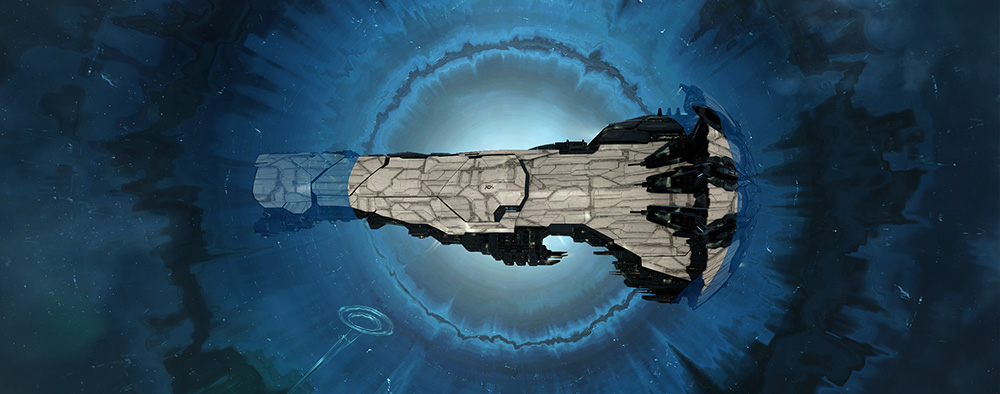
Lowsec and nullsec aren't "better EVE." They're a different way to play EVE. The space is more dangerous, the rewards are richer, and the consequences feel more real. Everything that happens out there is player-driven - the wars, the economics, the politics. There are no scripted events. If the space is safe or dangerous, it's because players made it that way.
Lowsec is the gentler step. You can still dock in NPC stations, travel to hi-sec easily, and operate without caring about alliance sovereignty or ADMs. It suits pilots who want constant small gang PvP, roaming, or faction warfare without committing to a coalition. SLV has always had a lowsec heartbeat because of this - it's where the corp started, and it's where a lot of members still feel at home.
Nullsec adds another layer on top. Bigger fleets, richer space, sovereignty mechanics, and a genuine stake in something your alliance actually controls. The infrastructure is better, the community is tighter, and the scale of what can happen is much larger.
What you gain moving into either:
- More dangerous and more rewarding space than hi-sec
- A regular reason to log in - roams, fleets, content that finds you
- A tighter community formed by proximity and shared risk
- In nullsec: access to better ISK activities, a stake in sovereign space, and coalition infrastructure
What changes:
- You need to pay attention to who's around you
- In nullsec: you share some responsibility for your space
- Sometimes the group needs you, not just the other way around
- Ships can be lost more easily - and more spectacularly
If any of that sounds appealing, read on. If it sounds exhausting, hi-sec is genuinely a fine place to be.
Before you move (if you ever decide to)
There's no rush. Lowsec and nullsec will both still be there whenever you're ready. But if the time comes, a little preparation goes a long way.
Don't move everything at once. Leave assets you don't need in hi-sec. Bring ships you'll actually use. Logistics gets easier once you know the area - travelling light makes the transition smoother.
Think about your clone. Set your medical clone in your new home system so you respawn locally if you're podded. Jump clones let you keep a second clone somewhere else - useful for visiting hi-sec without losing your implants.
Get comfortable with the basics before you arrive. Know how comms work, understand what authentication means and why it's needed, and have a basic sense of how to stay safe in dangerous space. None of this is complicated - but arriving prepared means you spend less time confused and more time enjoying yourself.
Your first days
The first few days in a new place can feel overwhelming. This checklist gets you oriented quickly.
Join the important channels
- EX-SA Discord - the main community hub, where most conversation happens day to day
- LinkNet auth - required to access coalition services, fleets, and SRP. Without it you can't access most coalition services
- Alliance and coalition Discords - fleet pings, intel, announcements. Your FC will tell you which ones matter most
Configure your client
- Set up your overview - critical for surviving in null. Ask in corp if you need a profile to import
- Save bookmarks for frequently used stations, gates, and safe spots
- Join the standing fleet for your region - it shows you as a friendly to coalition members
- Open the local intel channel and keep it visible while you're in space
Learn the local area
- Find out where the main staging station is and dock there first
- Check what's on the local market and what you'll need to import from hi-sec
- Ask in corp chat - there will always be someone who knows the answer
Tools and services
The nullsec ecosystem runs on external tools. Here are the main ones you'll encounter.
Authentication
LinkNet uses an external auth system tied to your EVE Online characters. This is how your corporation and alliance verify who you are, grant you Discord roles, and determine fleet eligibility. It's mandatory - authenticate early and you'll never think about it again.
Discord
The primary communication tool. Fleet pings happen here. Intel is shared here. The community lives here. If you're only going to install one external tool, make it this one.
Ship Replacement Programme (SRP)
When you lose a ship on an official coalition fleet, you can claim partial or full reimbursement through SRP. This exists to encourage fleet participation without punishing bad luck. Knowing it exists makes joining big fleet fights a lot less stressful.
Fleet tools
Large operations require coordination. Voice comms (usually Discord or TeamSpeak), the in-game fleet finder, and broadcast systems are all used regularly. Your fleet commander will tell you exactly what you need when a fleet is called.
A typical day in nullsec
Nullsec isn't endless warfare. Most of the time it looks something like this:
You log in. You check Discord. There might be a ping for a fleet later. You join the standing fleet. You run a few combat sites or do some exploration. Someone asks in corp chat if anyone wants to do a roam. You go. You kill some things, maybe lose something small. You head back, trade a few words in fleet chat, and log off.
Some days there's a big strategic op and everyone piles in. Some days nothing happens and it's quiet. The rhythm varies, which is part of the appeal.
Activities you can do in nullsec:
- Ratting - clearing anomalies for bounties. More lucrative than hi-sec missions, and you're contributing to ADMs at the same time
- Mining - nullsec ores and ice are more valuable. Moon mining is a coalition-level activity that produces regular scheduled events
- Exploration - relic and data sites, wormhole diving. Good ISK, self-paced, and relatively low risk if you're careful
- Industry - build ships and modules close to where they'll be used. Nullsec industry has cost and access advantages that hi-sec can't match
- PvP - roams, defensive fleets, coalition operations. All scales, all skill levels welcome. Nobody expects you to be a veteran on day one
Helping your new home
Nullsec space is player-maintained. The systems your alliance holds exist because people show up to defend them. Nobody expects everyone to be a warrior - but everyone contributes something.
Examples of how people contribute:
- Joining fleets, even small ones - numbers matter more than skill at first
- Running combat sites to keep ADM levels healthy
- Responding to intel and docking up when hostiles are in the area
- Helping newer players get their bearings
- Sharing knowledge in corp chat or Discord
The Sovereignty Defense Multiplier (ADM) is the metric that determines how hard it is for enemies to attack your systems. Higher ADM means attackers need to spend significantly more time with their Entosis modules running. You raise ADMs by running sites in the system - every anomaly cleared is a small contribution to collective security.
Flying with others
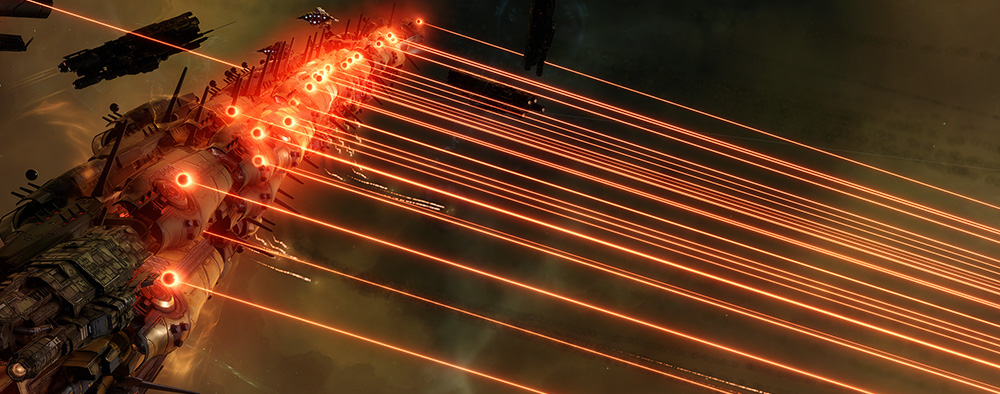
One of the best things about this community is that you don't need to be in a corp to fly with us.
Public fleets
EX-SA runs and participates in public NPSI (Not Purple Shoot It) fleets open to anyone. No application required. You show up with the right ship and fly. A good way to experience content without any commitment.
Wedge Fleet
The Wedge Fleet is a publicly advertised fleet run by community members. It's casual, low-barrier, and a good way to experience lowsec fleet operations without joining a corporation. We also make sure there's a near infinite amount of free ships for you to blow up as well!
The Fun Bus
The Fun Bus is a community fleet concept focused entirely on fun rather than efficiency. Unusual ships, unusual situations, and a lot of laughing on comms. Possibly the best introduction to fleet culture if you've never tried it. No experience required for any of these. Ask questions, make mistakes - everyone started somewhere, and nobody here has forgotten that.
Common questions
Do I have to become a PvP player?
No. Ratting, mining, exploration, and industry are all valid ways to spend your time. PvP happens around you and sometimes you'll want to join in - but nobody is going to measure your killboard.
Do I have to leave my hi-sec activities?
No. Many players keep characters in hi-sec for mission running, trading, or manufacturing. Move what makes sense, leave what doesn't. Nullsec and hi-sec aren't mutually exclusive. Just be aware nullsec corporations are frequently wardecced. This means hisec tradehubs will have enemy players ready and waiting to shoot you.
Do I need expensive ships?
No. When you arrive, fly cheap. A T1 cruiser for PvE, a T1 frigate or destroyer for fleet, and an exploration frigate for roaming is all you need to get started. Free ship programmes exist in most nullsec corporations specifically because everyone starts with almost nothing.
What if I haven't played in years?
Welcome back. EVE has changed but the community hasn't. The learning curve is still there, the people are still friendly, and you'll pick it back up faster than you think. The game has gotten better at easing returning players back in - take your time.
What if I don't know anyone?
That's exactly what communities are for. Jump into Discord, introduce yourself in the recruitment channel, and join a fleet. You'll know people quickly - this is a small corp, not an anonymous mega-bloc.
How much time do I need to commit?
As much or as little as life allows. Nobody takes attendance. Play when you can, step back when you can't. The community has always had members who disappear for months and come back - that's fine. EVE is a game, not a job.
What happens when I lose a ship?
You reship and keep going. On official coalition fleets, SRP covers losses, so the financial sting is reduced. Outside of official fleets, losses are your own - which is exactly why flying cheap to start is good advice. Losing ships is how you learn, and in this community nobody mocks a loss unless you ask them to.
Final thoughts
Regions change. Alliances shift. Wars come and go and the map redraws itself year after year.
What stays constant is the people you fly with. The shared history you build inside a corporation. The fleet where someone makes a terrible decision and everyone on comms bursts out laughing. The moment a new player asks a question that seems obvious to you now, and you remember asking the exact same thing a few years ago.
Explorers' Sanctum has been that place for a lot of pilots. It might be that place for you too.
Fly safe. o7